

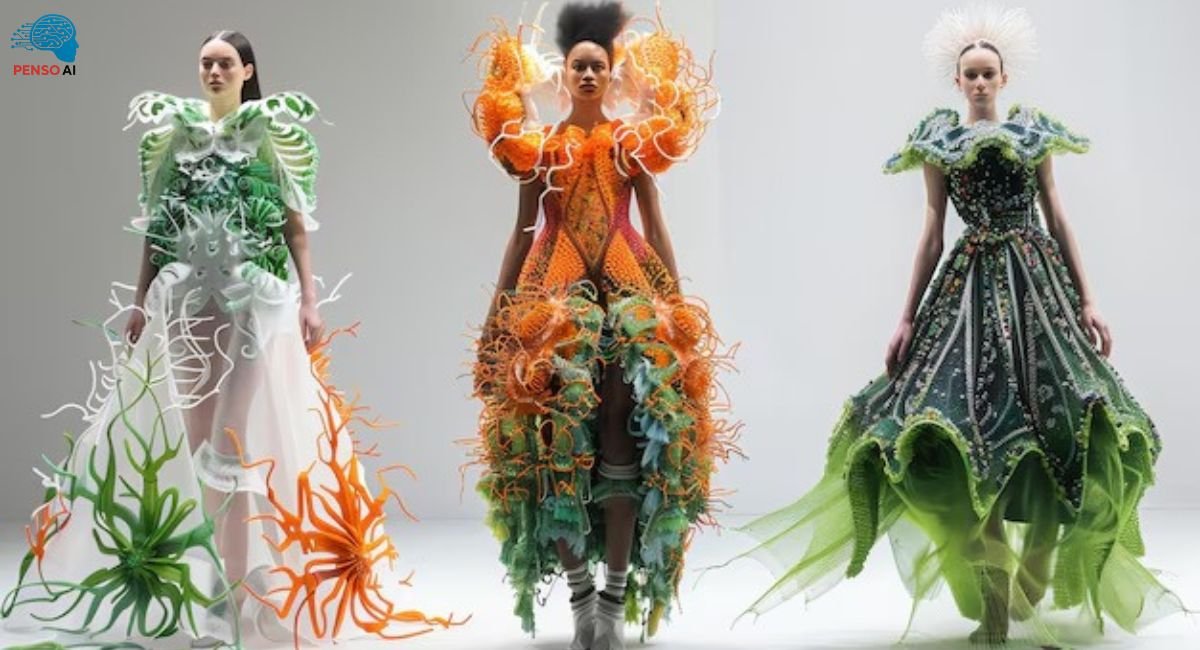
Revolutionizing Fashion in 2026
Fashion has always been about creativity, vision, and innovation. In 2026, AI fashion design tools are transforming the way designers and enthusiasts create clothing. These tools allow anyone—from professional designers to hobbyists—to experiment with styles, patterns, and fabrics digitally. AI doesn’t replace creativity; it amplifies it, helping designers bring their ideas to life faster and more efficiently than ever before.
Designing Clothes From Scratch
One of the most exciting features of AI fashion tools is the ability to design clothes from scratch. You can input basic ideas, colors, or patterns, and the tool generates detailed designs instantly. Whether it’s a modern dress, casual wear, or avant-garde fashion, AI allows you to see your ideas visually before creating a physical prototype. This reduces trial and error and gives designers a clear vision of the final product.
Experimenting With Styles and Fabrics
AI fashion tools let you experiment with endless combinations of styles, textures, and fabrics. You can mix patterns, change color palettes, and try different fabric types to see how a design would look in reality. This makes the creative process faster and less stressful. Designers can explore bold concepts that might be difficult or expensive to produce physically, all while visualizing the results digitally.
Customizing for Individual Needs
Personalization is key in fashion, and AI tools excel at this. Users can create custom designs tailored to individual body shapes, preferences, or brand identity. For example, a designer can create unique pieces for clients or generate a small batch of personalized clothing items. This level of customization improves customer satisfaction and allows designers to experiment with niche fashion trends.
Speeding Up the Design Process
Creating clothing manually, especially new collections, takes time and resources. AI fashion tools significantly speed up the design process. They handle repetitive tasks like sketching, pattern creation, and color matching, allowing designers to focus on the artistic and creative aspects. This efficiency helps fashion brands keep up with fast-changing trends and deliver collections more quickly.
Visualization Before Production
One of the biggest advantages of AI fashion tools is visualization. Designers can see how a garment will look, fit, and flow on a virtual model before producing it physically. This reduces material waste, lowers production costs, and ensures that the final piece meets expectations. It’s a sustainable and practical approach to modern fashion design.
Inspiration and Creative Freedom
AI fashion tools are also a source of inspiration. By generating multiple design variations, they help designers explore different aesthetics and styles. You can experiment with bold colors, patterns, or silhouettes that you might not have considered otherwise. This fosters creativity and allows fashion designers to push boundaries in ways that were previously difficult or time-consuming.
User-Friendly Interfaces
Most AI fashion platforms are easy to use, even for beginners. You don’t need years of technical knowledge to create stylish clothing designs. By simply selecting styles, fabrics, and colors, users can generate professional-looking concepts in minutes. For experienced designers, advanced tools offer deeper customization, giving full control over every design element.
Supporting Sustainable Fashion
AI fashion tools also contribute to sustainability. By allowing virtual prototyping and testing, designers can reduce waste associated with physical samples. Fewer failed prototypes mean less fabric discarded and lower environmental impact. This makes AI fashion tools not only a creative solution but also a responsible one for the future of the industry.
Why AI Fashion Tools Matter
In 2026, AI fashion design tools are becoming essential for creativity, efficiency, and sustainability. They empower designers to visualize concepts, explore ideas, and experiment with unique styles. From hobbyists creating custom pieces at home to fashion houses designing full collections, AI tools offer practical support and creative freedom. They are a bridge between imagination and reality.
Final Thoughts
AI fashion design tools are transforming the way we create, visualize, and produce clothing. They offer speed, flexibility, and inspiration, while supporting sustainable practices. By making fashion design accessible and efficient, these tools allow anyone to bring their ideas to life. In today’s fast-paced fashion world, AI is not just a tool—it’s a creative partner that enhances imagination and enables designers to craft stylish, unique, and modern garments effortlessly.